
Understanding the Latest Trends in Fulfillment Logistics


Understanding Fulfillment Logistics
In the rapidly evolving world of e-commerce, fulfillment logistics plays a crucial role in meeting consumer expectations. As the industry continues to grow, staying informed about the latest trends is essential for businesses aiming to remain competitive. This blog post explores some of the most significant trends shaping fulfillment logistics today.
Automation and Robotics
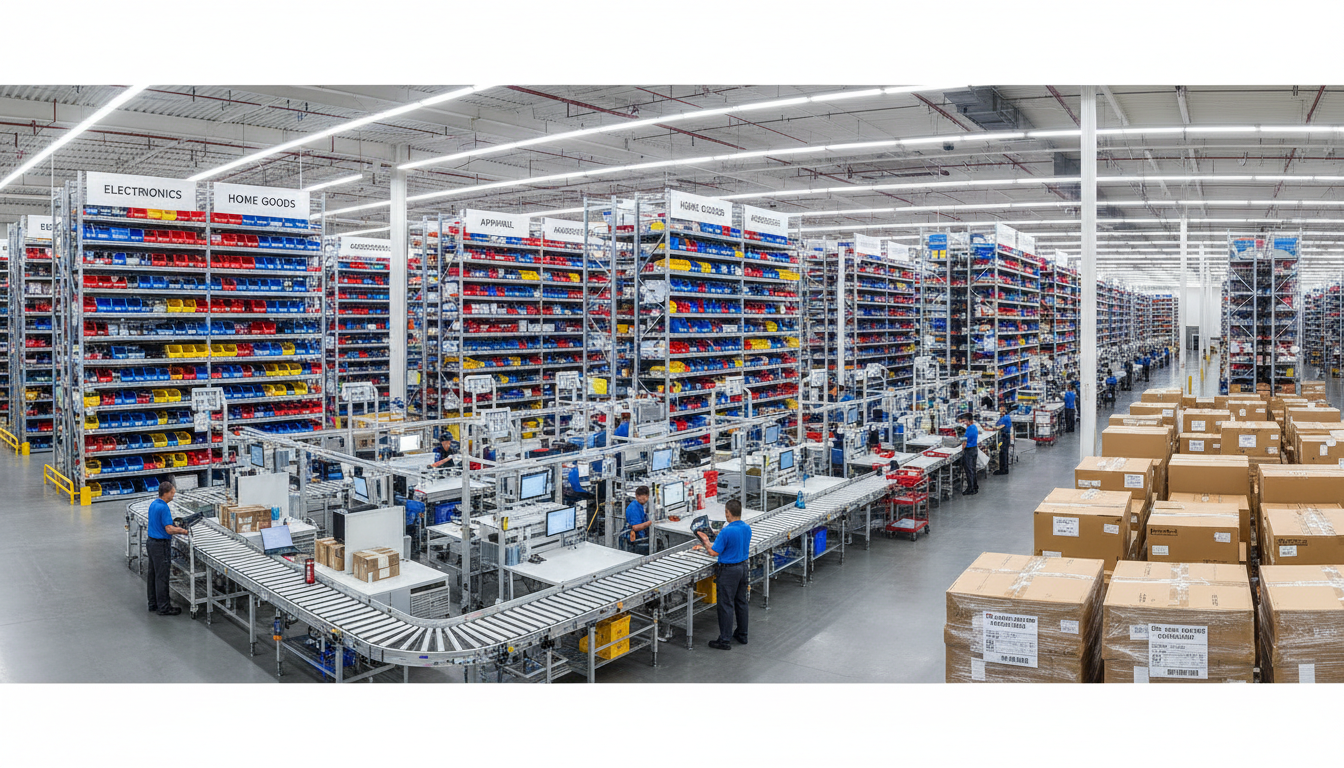
Automation is transforming fulfillment centers by increasing efficiency and accuracy. Robots and automated systems are now handling tasks such as sorting, packaging, and inventory management. These technologies not only reduce human error but also speed up operations, allowing businesses to meet the growing demand for quick deliveries.
The use of artificial intelligence (AI) in logistics is also on the rise. AI-driven analytics help optimize routes and improve decision-making processes, ultimately enhancing the overall supply chain performance.
Omni-Channel Fulfillment
Consumers today expect a seamless shopping experience across multiple channels. Omni-channel fulfillment ensures that orders can be processed and delivered regardless of the platform used for purchase. This requires a well-coordinated logistics strategy that integrates online and offline operations.
Retailers are investing in technology to track inventory in real-time, ensuring that products are available for immediate shipment. This trend is particularly important in reducing delivery times and improving customer satisfaction.

Sustainability Initiatives
As environmental concerns grow, sustainability is becoming a priority in fulfillment logistics. Companies are exploring eco-friendly packaging options and optimizing delivery routes to reduce carbon footprints. Many businesses are also committing to using renewable energy sources within their operations.
By adopting sustainable practices, logistics companies not only contribute positively to the environment but also enhance their brand reputation. Consumers are increasingly favoring brands that demonstrate a commitment to sustainability.
Advanced Data Analytics
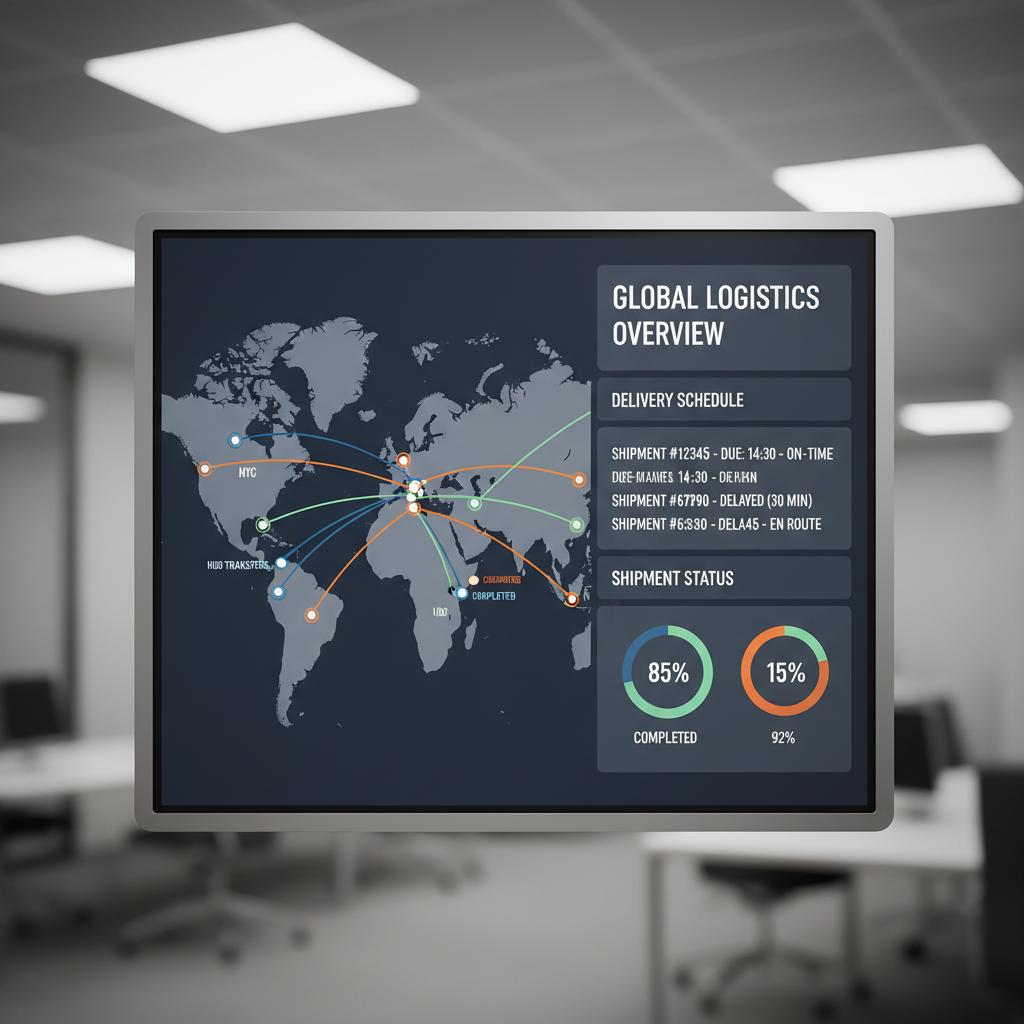
Data analytics is revolutionizing how fulfillment logistics operates. With access to large volumes of data, logistics providers can gain insights into customer behavior, demand patterns, and operational efficiency. This information is invaluable for making informed decisions and forecasting future trends.
Predictive analytics, in particular, allows companies to anticipate demand fluctuations and adjust their logistics strategies accordingly. This proactive approach helps in maintaining optimal inventory levels and minimizing delays.
The Rise of Micro-Fulfillment Centers
Micro-fulfillment centers are small-scale warehouses located closer to urban areas. These centers enable faster delivery times by reducing the distance between the warehouse and the customer. As same-day and next-day delivery become more common, the importance of micro-fulfillment centers continues to grow.
These centers often leverage automation and robotics to maximize efficiency in limited spaces. By strategically placing these facilities, companies can better serve densely populated areas and meet the demand for rapid delivery.
Conclusion
The landscape of fulfillment logistics is in a constant state of flux, driven by technological advancements and shifting consumer expectations. By embracing these trends, businesses can enhance their operational efficiency, improve customer satisfaction, and maintain a competitive edge in the market. Staying informed and adaptable is key to thriving in this dynamic environment.