
Top Trends in Fulfillment Logistics: What You Need to Know


Embracing Automation in Fulfillment Logistics
One of the most significant trends in fulfillment logistics is the adoption of automation technologies. From robotic picking systems to automated sorting solutions, businesses are leveraging these innovations to improve efficiency and accuracy. Automation reduces human error and speeds up the fulfillment process, which is crucial in meeting the growing demands of e-commerce.
Automated systems are not just a luxury anymore—they are becoming a necessity. As consumers expect quicker delivery times, companies that integrate automation into their logistics operations can stay competitive by ensuring timely and accurate order fulfillment.

Sustainability: A Growing Priority
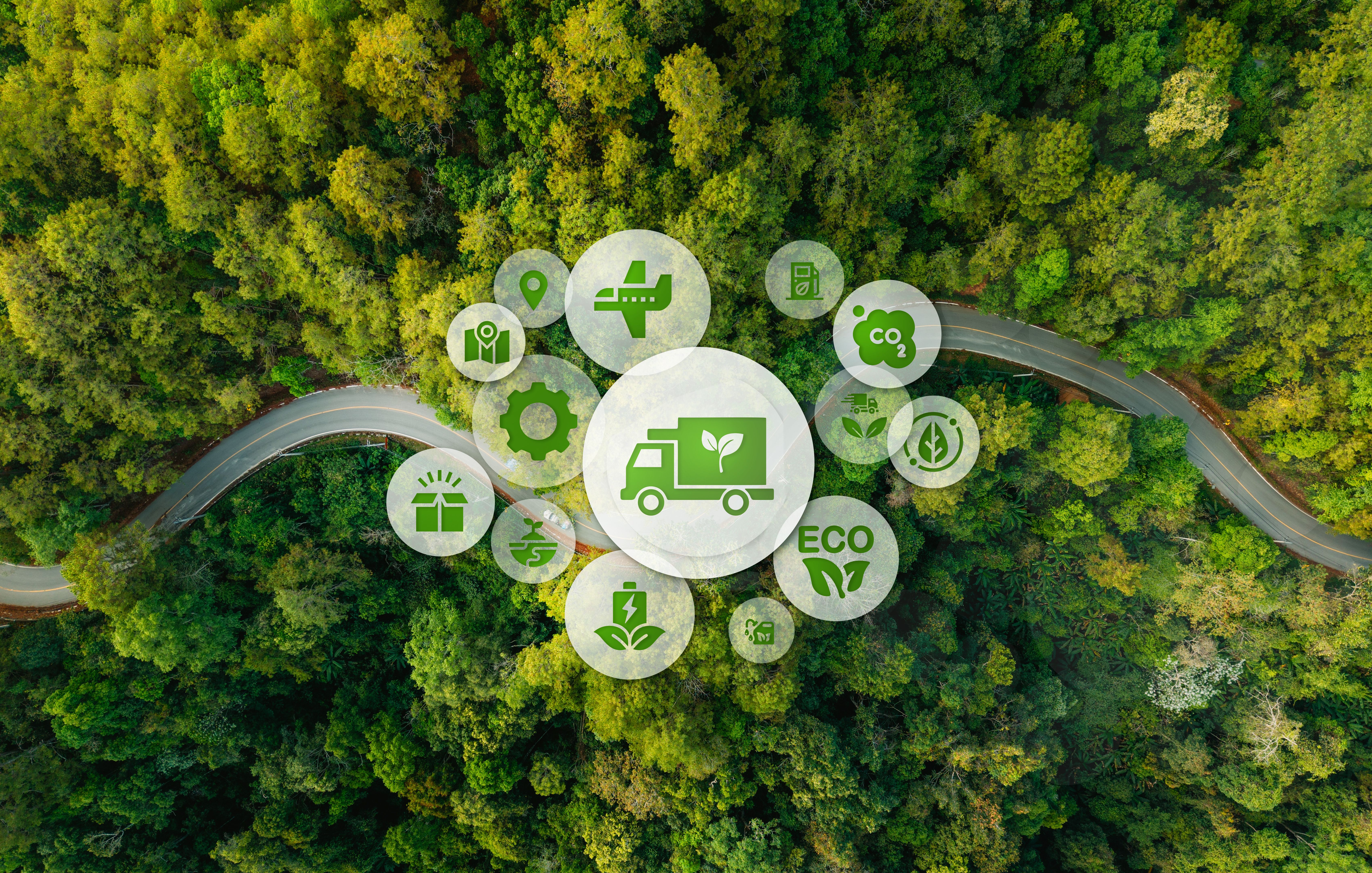
Another trend reshaping fulfillment logistics is the focus on sustainability. With increasing consumer awareness and regulatory pressures, businesses are looking for ways to reduce their carbon footprint. This includes using eco-friendly packaging materials, optimizing shipping routes, and adopting green technologies in warehouses.
Many companies are also exploring carbon offset programs and investing in renewable energy sources. Sustainability is not just an environmental imperative; it is also a strategic advantage as more consumers prefer to buy from environmentally responsible brands.
Customization and Personalization
Today's consumers expect personalized shopping experiences, and this trend is extending to fulfillment logistics. Companies are increasingly offering customized packaging and personalized delivery options to enhance customer satisfaction. This involves using data analytics to understand customer preferences and tailor the logistics process accordingly.
For instance, some businesses offer options like same-day delivery or allowing customers to choose specific delivery windows. By offering these personalized services, companies can build stronger relationships with their customers and increase brand loyalty.

The Rise of Micro-Fulfillment Centers
Micro-fulfillment centers are small, strategically located facilities that bring products closer to consumers. This trend is gaining traction as it allows companies to reduce delivery times and costs. These centers are often automated and can be set up in urban areas, providing a solution to the last-mile delivery challenge.
By using micro-fulfillment centers, businesses can offer faster delivery options, which is a key differentiator in the competitive e-commerce landscape. This approach not only enhances customer satisfaction but also optimizes inventory management.

The Impact of Advanced Analytics
Advanced analytics and data-driven decision-making are becoming essential components of fulfillment logistics. Companies are leveraging big data to forecast demand, optimize inventory levels, and improve route planning. Data analytics provides valuable insights that help businesses enhance their operational efficiency and reduce costs.
By analyzing consumer behavior and market trends, companies can make informed decisions that align with customer expectations. This level of insight enables businesses to anticipate demand fluctuations and adjust their logistics strategies accordingly.

Enhanced Focus on Cybersecurity
With the increasing reliance on technology in fulfillment logistics, cybersecurity has become a critical concern. Protecting sensitive customer data and ensuring the integrity of logistics operations are top priorities for businesses. Companies are investing in robust cybersecurity measures to safeguard their systems from threats and breaches.
Implementing strong cybersecurity protocols is essential to maintaining customer trust and protecting business assets. As cyber threats evolve, companies must continuously update their security strategies to address new challenges.

Collaboration and Partnerships
Collaboration between logistics providers, technology companies, and retailers is becoming more common. By forming strategic partnerships, businesses can leverage each other's strengths and enhance their fulfillment capabilities. This trend is particularly evident in the use of third-party logistics providers (3PLs) to manage certain aspects of the supply chain.
These partnerships allow companies to expand their reach, access new markets, and benefit from shared expertise. As the logistics landscape becomes more complex, collaboration will be key to achieving operational excellence.

Conclusion
The landscape of fulfillment logistics is rapidly evolving, driven by technological advancements and changing consumer expectations. By staying informed about the latest trends and adapting to these changes, businesses can enhance their logistics operations and gain a competitive edge. Whether it's through automation, sustainability, or strategic partnerships, the future of fulfillment logistics promises to be dynamic and innovative.