
The Latest Trends in Fulfillment Logistics: What You Need to Know


The world of fulfillment logistics is rapidly evolving, driven by technological advances and shifting consumer expectations. To stay competitive, businesses must keep up with the latest trends shaping the industry. In this blog post, we'll explore some of the most significant developments in fulfillment logistics and what you need to know about them.
Automation and Robotics
One of the most transformative trends in fulfillment logistics is the integration of automation and robotics. Automated systems are being deployed in warehouses to handle tasks such as sorting, packing, and inventory management. These technologies not only increase efficiency but also reduce human error, leading to faster processing times and lower costs.
Robots equipped with AI are becoming more sophisticated, capable of learning and adapting to various tasks. This shift towards automation is helping companies meet the rising demand for faster delivery times.

Same-Day and On-Demand Delivery
Consumer expectations for quick delivery have never been higher. Same-day and on-demand delivery services are becoming the norm, especially in urban areas. This trend is driving logistics companies to optimize their supply chains and invest in new technologies to ensure rapid fulfillment.
Businesses are increasingly using local fulfillment centers and partnering with last-mile delivery providers to meet these demands. As a result, the logistics network is becoming more decentralized, allowing for quicker and more flexible delivery options.

Sustainability Initiatives
Sustainability is no longer just a buzzword; it's a critical component of modern logistics strategies. Companies are adopting eco-friendly practices to reduce their carbon footprint and appeal to environmentally conscious consumers. This includes using electric vehicles for deliveries, optimizing routes to reduce fuel consumption, and implementing recyclable packaging.
Many businesses are also investing in green warehousing solutions, such as solar-powered facilities and energy-efficient lighting, to further their commitment to sustainability.

Data-Driven Decision Making
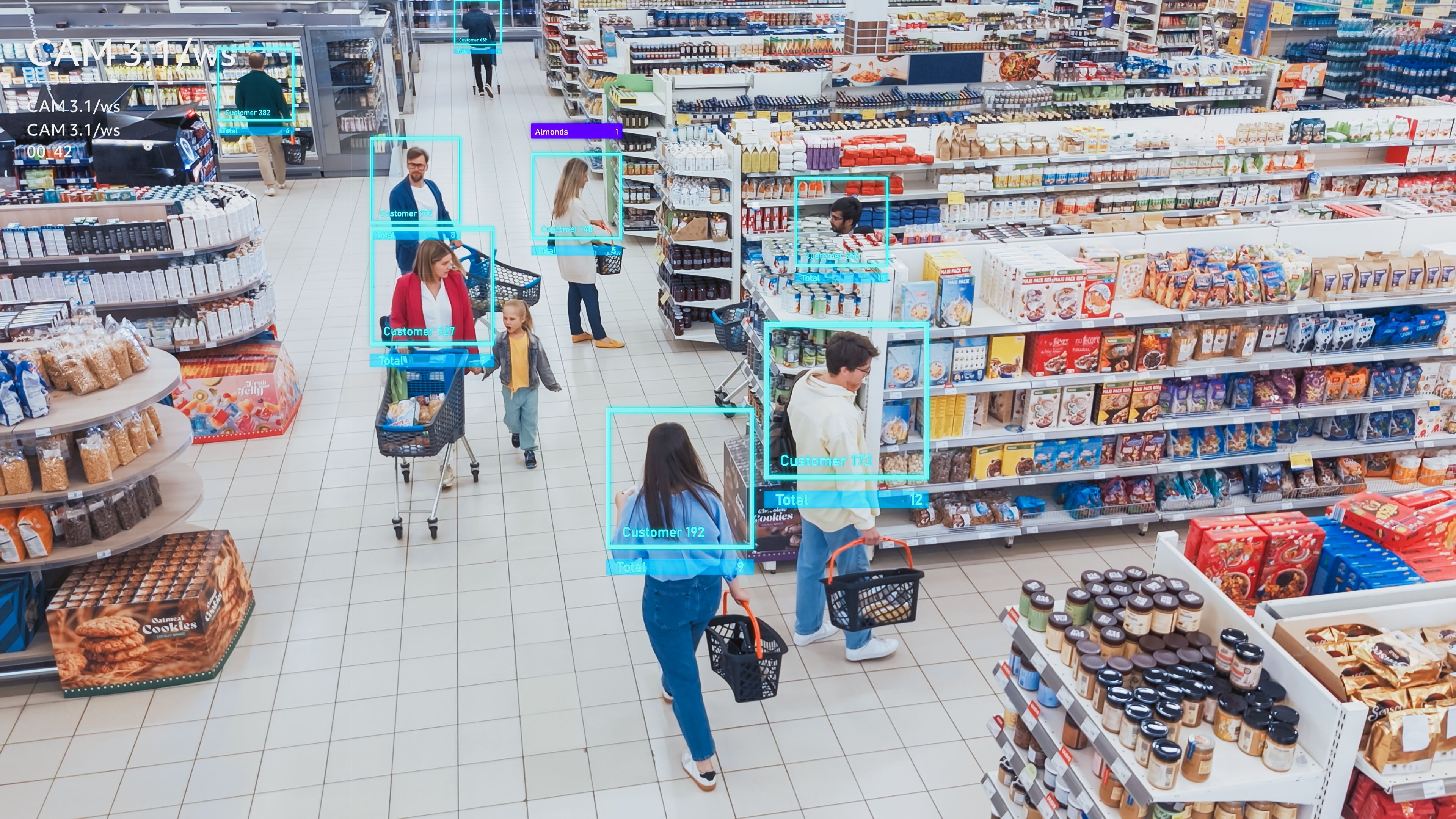
Data analytics is playing a crucial role in fulfillment logistics, providing valuable insights into consumer behavior, inventory levels, and supply chain efficiency. By leveraging big data, companies can make informed decisions that optimize their operations and enhance customer satisfaction.
This data-driven approach enables businesses to anticipate demand, manage inventory more effectively, and personalize the customer experience, ultimately leading to increased loyalty and sales.
Enhanced Customer Experience
In today's competitive market, providing an exceptional customer experience is essential. Companies are focusing on transparency and communication to keep customers informed throughout the delivery process. This includes providing real-time tracking updates and offering multiple delivery options to meet individual preferences.
Moreover, the integration of AI and machine learning is allowing businesses to predict and address potential delivery issues before they occur, ensuring a smoother and more reliable service.
Conclusion
Fulfillment logistics is undergoing a significant transformation, driven by automation, sustainability, and consumer demands for speed and transparency. By embracing these trends, companies can enhance their operational efficiency, reduce costs, and provide a superior customer experience. Staying informed about these developments is crucial for businesses looking to thrive in this dynamic industry.