
The Impact of Emerging Trends on Fulfillment Logistics


Understanding Emerging Trends in Fulfillment Logistics
The logistics industry is experiencing a transformative phase, driven by the rapid evolution of technology and changing consumer demands. As businesses strive to meet these new expectations, understanding emerging trends in fulfillment logistics becomes essential for staying competitive. These trends are not just reshaping how companies operate but are also setting new standards for efficiency, speed, and customer satisfaction.

The Rise of Automation and Robotics
Automation and robotics are at the forefront of this transformation. From automated warehouses to robotic picking systems, these technologies are significantly improving operational efficiency. Businesses are now able to process orders faster and with greater accuracy, which is crucial in today's fast-paced market. By reducing human error and labor costs, automation is enabling companies to scale their operations smoothly.
Moreover, the integration of artificial intelligence (AI) in logistics is providing valuable insights into inventory management and demand forecasting. AI-driven analytics help in optimizing supply chains, ensuring that products are available when and where they are needed, thereby enhancing customer satisfaction.
The Influence of E-commerce and Omnichannel Strategies
The boom in e-commerce has reshaped consumer expectations, pushing logistics providers to adopt omnichannel strategies. Customers now demand seamless shopping experiences, whether online, in-store, or through mobile apps. As a result, fulfillment centers are evolving to handle both direct-to-consumer and traditional retail orders simultaneously.
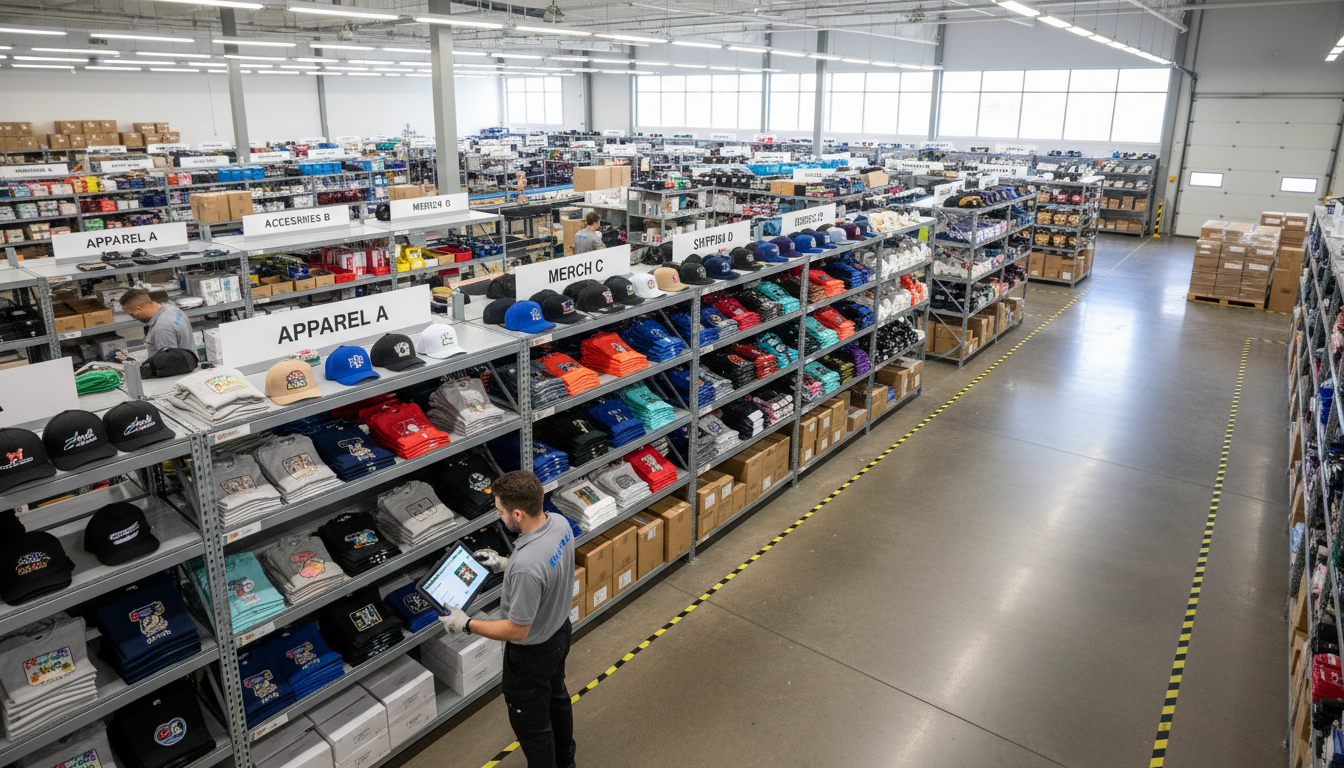
Implementing an effective omnichannel strategy requires a robust logistics network that can support various sales channels. This means investing in technology that connects inventory data across platforms, providing real-time visibility and ensuring that stock levels are accurately reflected across all channels.
Sustainability and Green Logistics
As environmental concerns become more pressing, sustainability in logistics is no longer optional. Companies are increasingly adopting green logistics practices to reduce their carbon footprint. This includes optimizing routes to minimize fuel consumption, using eco-friendly packaging materials, and investing in electric or hybrid delivery vehicles.
Consumers are more environmentally conscious than ever, and businesses that prioritize sustainability are likely to gain a competitive edge. By aligning logistical practices with eco-friendly initiatives, companies can improve their brand image and appeal to a broader audience.

The Role of Data Analytics and IoT
The Internet of Things (IoT) and data analytics are revolutionizing fulfillment logistics by providing real-time data on various aspects of the supply chain. Sensors and connected devices collect data on vehicle locations, warehouse conditions, and inventory levels, enabling proactive decision-making.
Data-driven strategies allow businesses to anticipate disruptions, manage risks, and optimize processes, resulting in improved efficiency and reduced costs. With the ability to analyze large volumes of data, companies can better understand customer behavior and tailor their logistics strategies accordingly.
Adapting to Future Challenges
The landscape of fulfillment logistics is continuously evolving, and businesses must remain agile to adapt to future challenges. Keeping abreast of technological advancements and consumer trends is vital for maintaining a competitive edge. By embracing these emerging trends, companies can enhance their operational capabilities and deliver exceptional customer service.
In conclusion, the impact of emerging trends on fulfillment logistics is profound and far-reaching. As technology continues to advance, logistics providers must innovate and adapt to meet the growing demands of the market. Those who succeed in doing so will not only improve their efficiency but also set new benchmarks for the industry.