
The Impact of Emerging Technologies on Fulfillment Logistics


Introduction to Emerging Technologies in Logistics
The logistics industry is undergoing a significant transformation with the advent of emerging technologies. These advancements are reshaping how companies manage and execute fulfillment logistics, ultimately improving efficiency and customer satisfaction. From automation to artificial intelligence, the impact of these technologies is profound and far-reaching.
Automation: Revolutionizing Fulfillment Centers
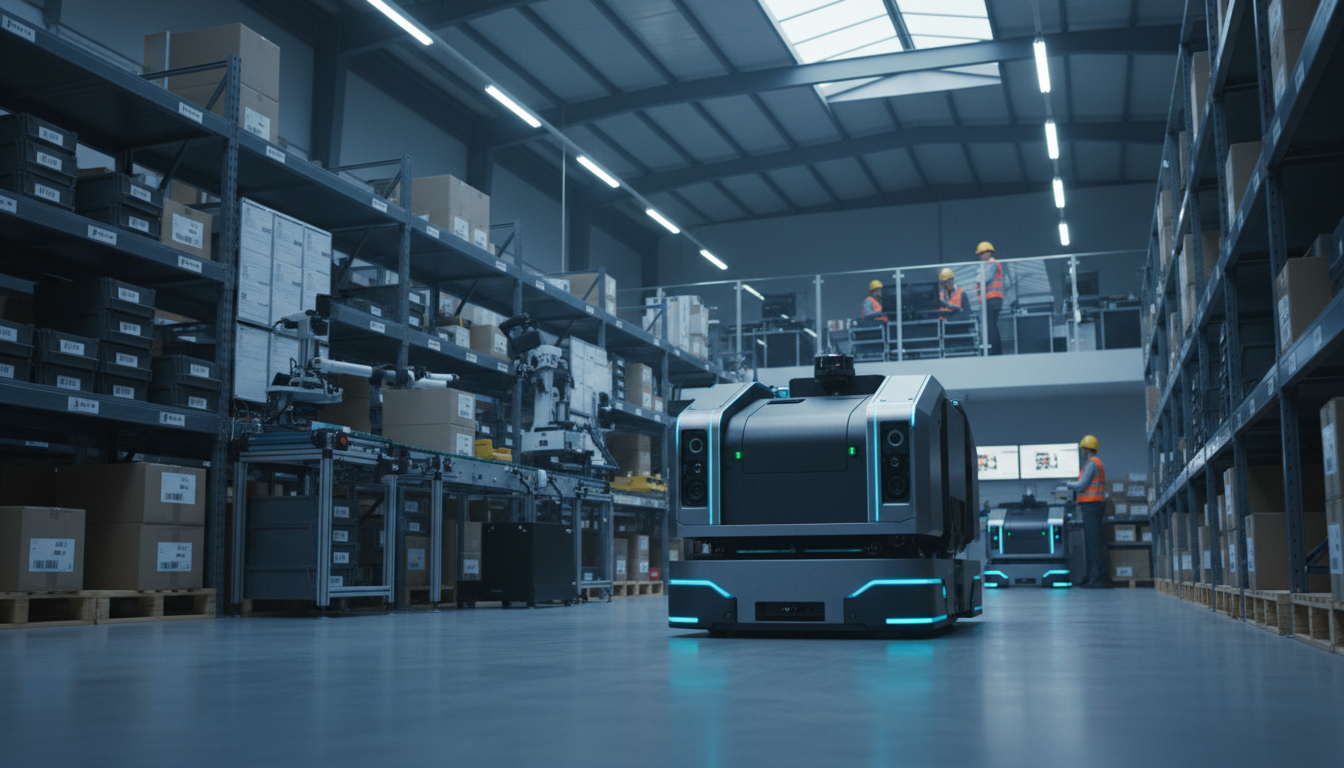
Automation is a game-changer for fulfillment logistics. Automated systems, including robotic arms and conveyor belts, streamline the sorting and packaging processes. These systems reduce human error and increase productivity, allowing companies to handle larger volumes of orders with greater accuracy.
Moreover, automation enhances the speed of operations. With robots working around the clock, fulfillment centers can process orders faster than ever before, ensuring quicker delivery times for customers.
The Role of Artificial Intelligence
Artificial intelligence (AI) is another critical technology impacting fulfillment logistics. AI algorithms analyze vast amounts of data to optimize routes, forecast demand, and manage inventory levels. This predictive capability helps companies reduce costs and improve service quality by anticipating customer needs.
Blockchain: Enhancing Transparency and Security
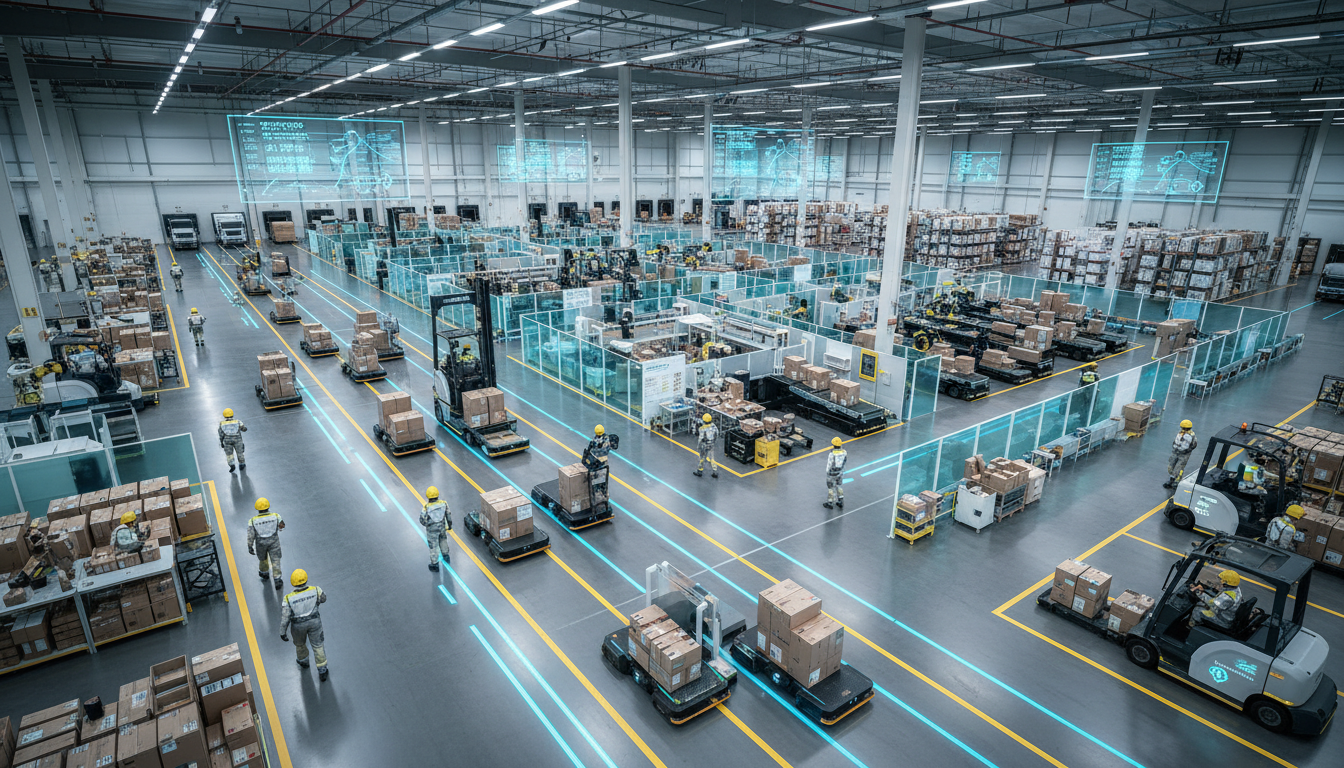
Blockchain technology is enhancing transparency and security in logistics. By creating an immutable record of transactions, blockchain ensures that every step in the supply chain is verifiable and secure. This increased transparency helps build trust with customers and partners, reducing the risk of fraud.
Additionally, blockchain can streamline processes by eliminating the need for intermediaries, thus speeding up transactions and reducing costs.
IoT: Connecting the Supply Chain
The Internet of Things (IoT) connects devices and systems throughout the supply chain, providing real-time data and insights. IoT sensors monitor the condition of goods during transit, ensuring they remain in optimal condition. This connectivity allows companies to respond quickly to any issues, minimizing disruptions.
Drones and Autonomous Vehicles
Drones and autonomous vehicles are becoming more prevalent in fulfillment logistics. Drones can deliver packages to remote or hard-to-reach areas, while autonomous vehicles streamline last-mile delivery processes. These technologies reduce delivery times and enhance customer satisfaction.
Furthermore, the use of drones and autonomous vehicles can lead to cost savings, as they minimize the need for human labor and reduce fuel consumption.
Challenges and Considerations
While emerging technologies offer numerous benefits, they also present challenges. Companies must invest in infrastructure and training to successfully integrate these technologies into their operations. Additionally, concerns about data privacy and security must be addressed to maintain customer trust.
Despite these challenges, the potential benefits of adopting emerging technologies in fulfillment logistics are immense, driving the industry toward a more efficient and customer-centric future.