
Navigating Fulfillment Logistics During Peak Shopping Seasons


Understanding the Challenges of Peak Shopping Seasons
Peak shopping seasons, such as Black Friday, Cyber Monday, and the holiday season, present unique challenges for businesses. During these times, demand surges, and managing fulfillment logistics becomes critical. Companies need to efficiently handle increased order volumes without sacrificing customer satisfaction.
Forecasting Demand Accurately
One of the first steps in navigating fulfillment logistics is accurately forecasting demand. Historical sales data, market trends, and consumer behavior insights are essential. By predicting demand, businesses can ensure they have adequate inventory and resources in place.
Advanced analytics tools can help in anticipating demand spikes. Leveraging these tools allows businesses to adjust their strategies proactively, reducing the risks of stockouts or overstocking.
Optimizing Inventory Management
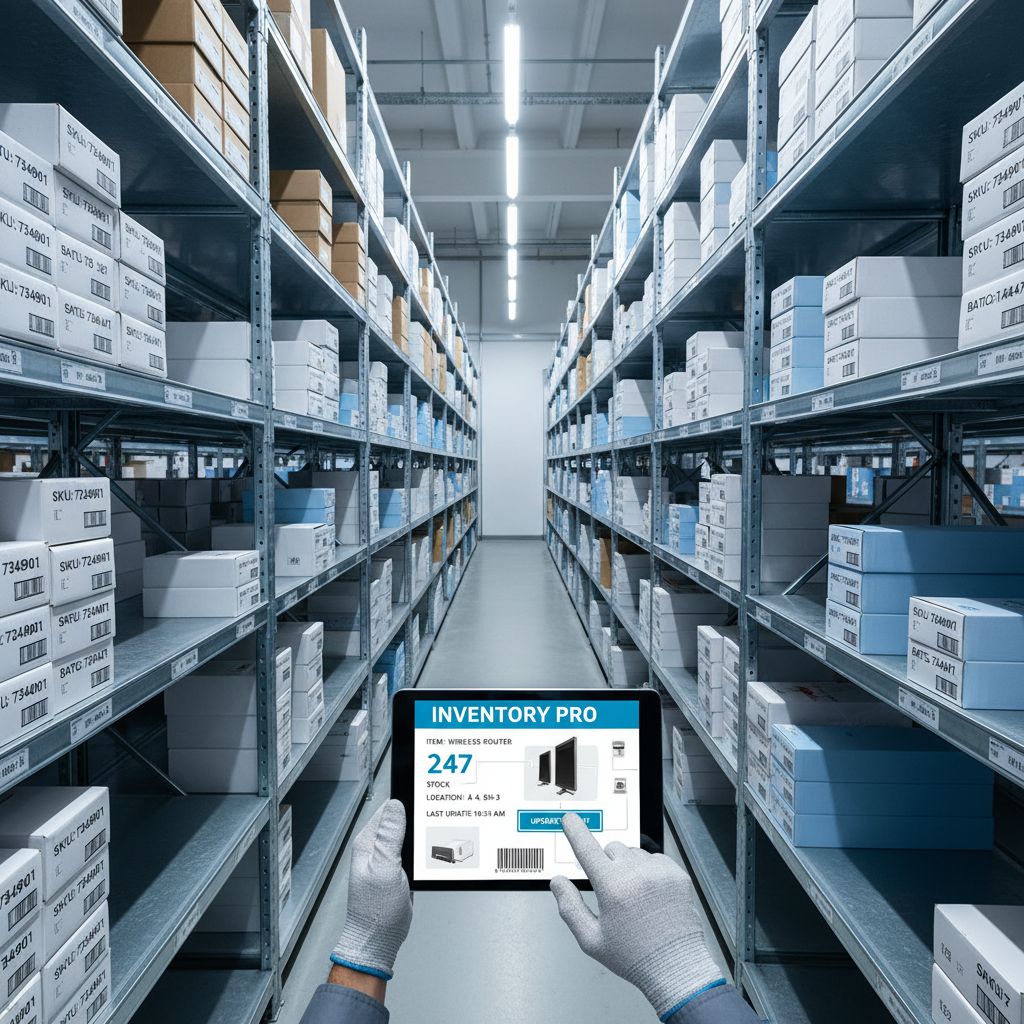
Efficient inventory management is crucial during peak shopping seasons. Implementing a robust inventory management system can streamline processes and provide real-time insights into stock levels. Businesses should also consider diversifying their suppliers to mitigate risks associated with supply chain disruptions.
Additionally, employing a just-in-time inventory approach can be beneficial. This strategy minimizes holding costs and reduces the likelihood of excess inventory post-peak season.
Enhancing Warehouse Operations
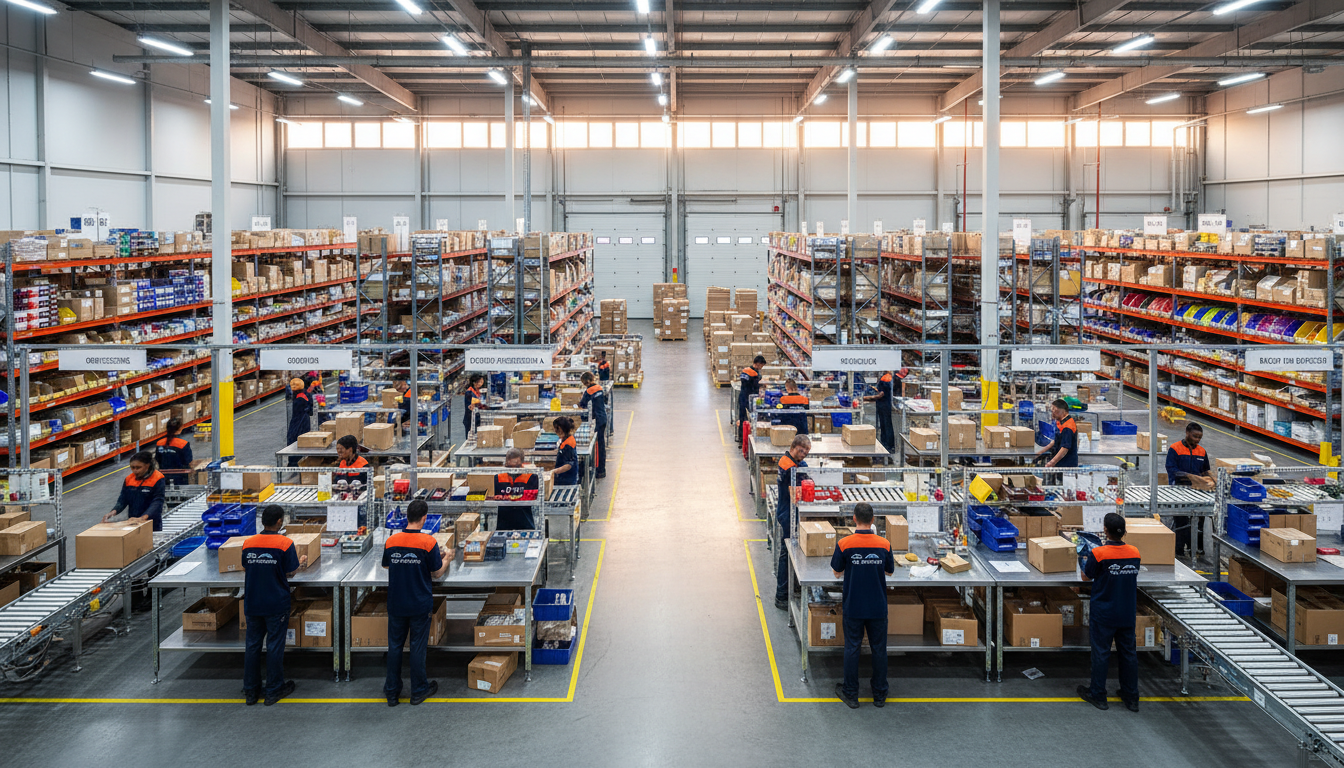
Optimizing warehouse operations is another critical component. Ensuring that warehouse staff are adequately trained and that workflows are streamlined can significantly enhance efficiency. Implementing automation technologies, such as conveyor belts and robotic pickers, can further boost productivity.
Streamlining Order Fulfillment
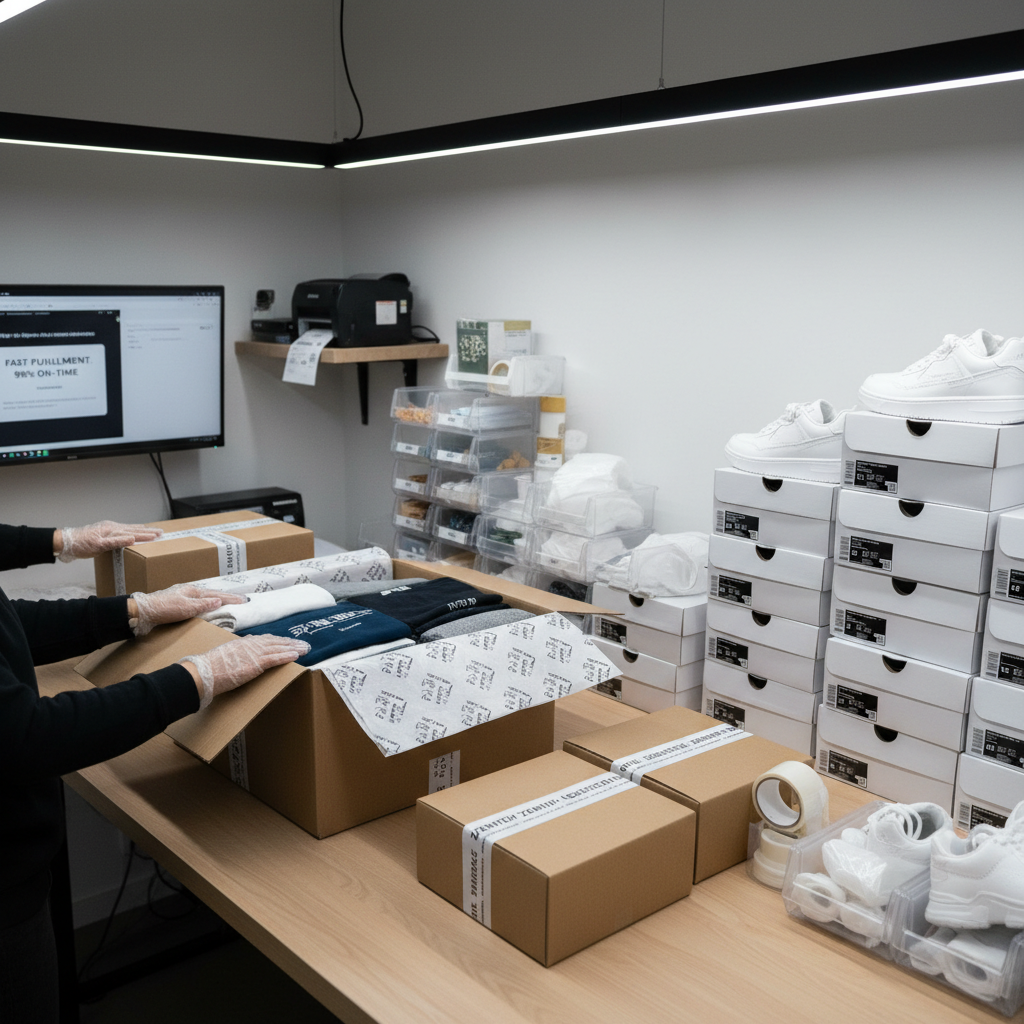
During peak seasons, streamlining order fulfillment processes is imperative. Businesses should focus on reducing order processing times by enhancing packing and shipping procedures. Offering multiple shipping options can also improve customer satisfaction.
Additionally, integrating an order management system can provide real-time visibility into order statuses, helping to prevent delays and improve communication with customers.
Improving Customer Communication
Effective communication with customers is vital, especially during peak times. Keeping customers informed about order statuses, potential delays, and delivery times can enhance their experience. Utilizing automated email updates and chatbots can streamline these communications.
Leveraging Technology for Efficiency
Technology plays a significant role in navigating fulfillment logistics. Implementing advanced software solutions can automate numerous processes, from inventory management to customer service. These technologies not only increase efficiency but also reduce the likelihood of human error.

Furthermore, businesses should consider using data analytics to continuously monitor and improve their logistics strategies, ensuring they remain competitive even during the most challenging peak shopping seasons.