
Myth-Busting: Common Misconceptions About Fulfillment Logistics


Understanding Fulfillment Logistics
Fulfillment logistics is a critical component of the supply chain that ensures products reach customers efficiently. However, several myths and misconceptions often cloud our understanding of this complex process. Let's take a closer look at some of these myths and set the record straight.
Myth 1: Fulfillment is Only About Shipping
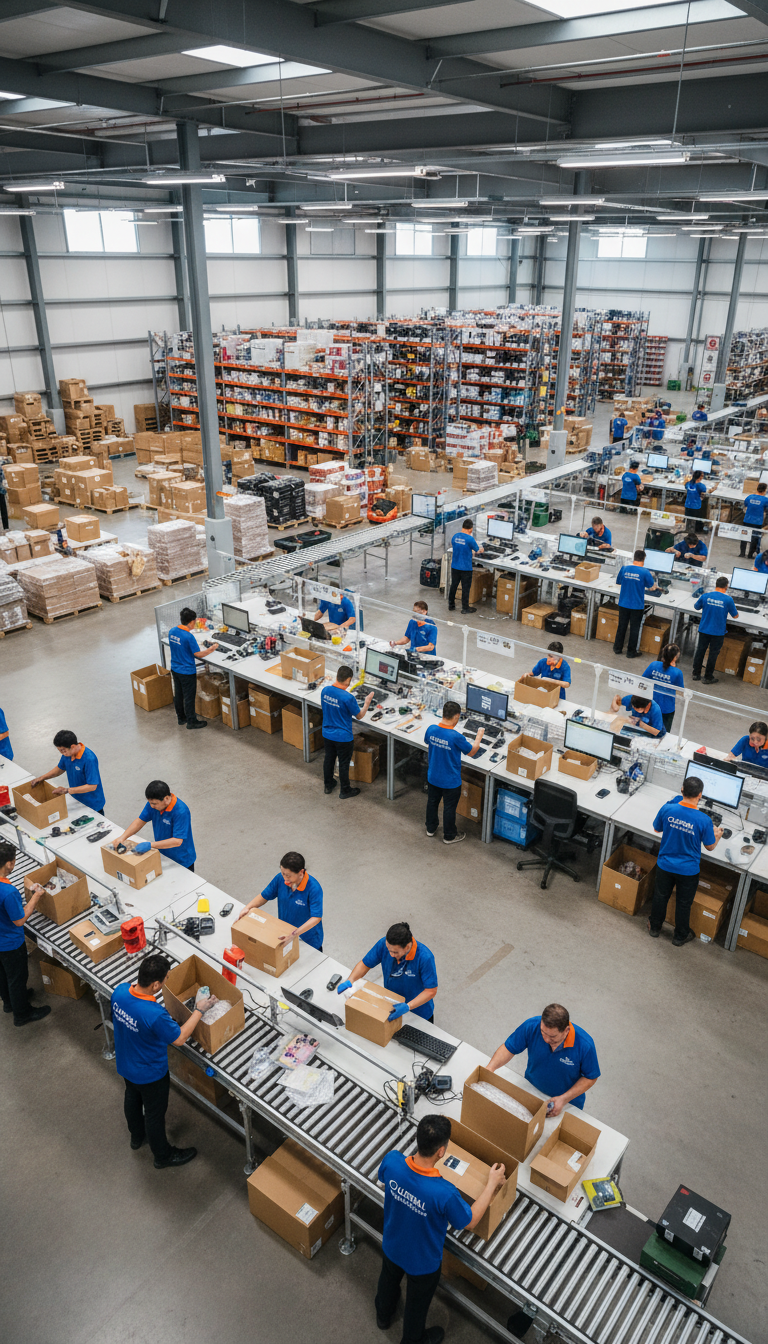
A common misconception is that fulfillment logistics is solely about shipping products. While shipping is a crucial part, fulfillment encompasses much more. It involves inventory management, order processing, packaging, and even customer service. Effective fulfillment ensures that the right product reaches the right customer at the right time.
Myth 2: In-House Fulfillment is Always Cheaper
Many businesses believe that handling fulfillment in-house is more cost-effective. However, outsourcing can often be more economical, especially for smaller businesses. Third-party logistics providers (3PLs) can leverage economies of scale, advanced technology, and expertise to reduce costs and improve efficiency.

The Role of Technology in Fulfillment
Technology plays a significant role in modern fulfillment logistics, yet some think it's only for large corporations. In reality, technology is accessible to businesses of all sizes. Cloud-based inventory management systems and automated order processing can greatly enhance efficiency and accuracy.
Myth 3: Fulfillment Centers and Warehouses Are the Same
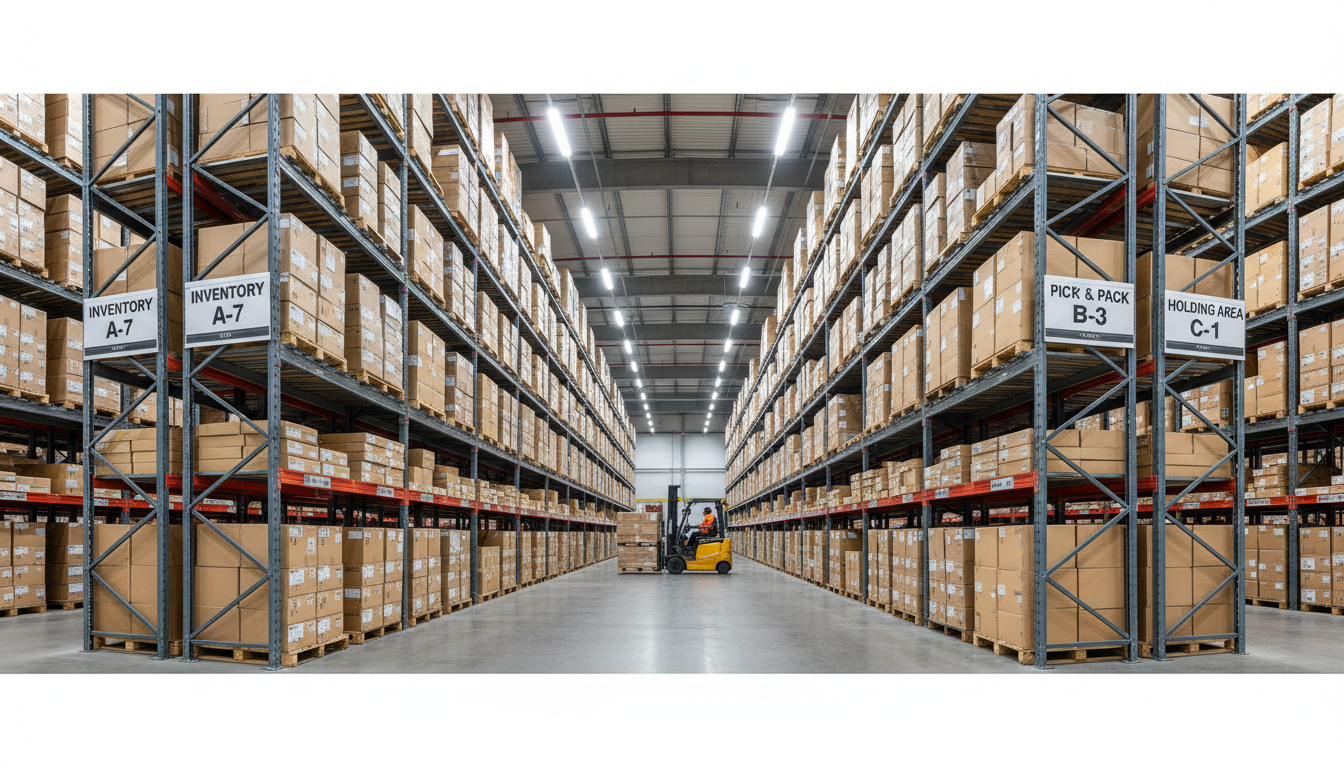
It's easy to assume that fulfillment centers and warehouses are interchangeable. While both store products, fulfillment centers are focused on the rapid movement of goods. They are designed to process and ship orders quickly, whereas warehouses primarily store inventory.
Myth 4: Fast Shipping Equals Better Fulfillment
Fast shipping is often equated with excellent fulfillment, but speed is just one factor. Accuracy, reliability, and customer satisfaction are equally important. A well-rounded fulfillment strategy ensures that orders are not only delivered quickly but also correctly and with quality service.
The Importance of Customer Experience
Another misconception is that fulfillment logistics has little impact on customer experience. In truth, it plays a vital role. Timely and accurate deliveries enhance customer satisfaction, leading to repeat business and positive reviews.

In conclusion, understanding the intricacies of fulfillment logistics helps businesses optimize their operations and improve customer service. By debunking these myths, companies can make informed decisions and leverage fulfillment as a strategic advantage.