
How to Optimize Your Supply Chain with Fulfillment Logistics


In today's fast-paced business environment, optimizing your supply chain with fulfillment logistics is more crucial than ever. Companies need to streamline operations to meet customer demands efficiently. By integrating advanced logistics strategies, businesses can enhance their supply chain management, reduce costs, and improve service delivery.

Understanding Fulfillment Logistics
Fulfillment logistics refers to the end-to-end process of storing, processing, and delivering products to customers. It involves several key components such as inventory management, order processing, and shipping. Effective fulfillment logistics ensure that products are delivered accurately and on time, boosting customer satisfaction and loyalty.
Inventory Management
Keeping track of inventory is vital for a smooth supply chain. Implementing a robust inventory management system allows businesses to maintain optimal stock levels, reducing the risk of overstocking or stockouts. This system can also provide real-time insights into inventory levels, helping to make informed decisions.

Streamlining Order Processing
Order processing is at the heart of fulfillment logistics. By automating this process, businesses can significantly reduce errors and speed up order fulfillment. Automation tools can handle everything from order entry to invoicing, ensuring accuracy and efficiency. This not only saves time but also enhances the customer experience.
Efficient Shipping Solutions
Shipping is a critical component of fulfillment logistics. Choosing the right shipping partners and solutions can optimize delivery times and reduce costs. Consider factors like shipping speed, reliability, and tracking capabilities when selecting a partner. Implementing a multi-carrier shipping strategy can also provide flexibility and cost savings.
Leveraging Technology for Optimization
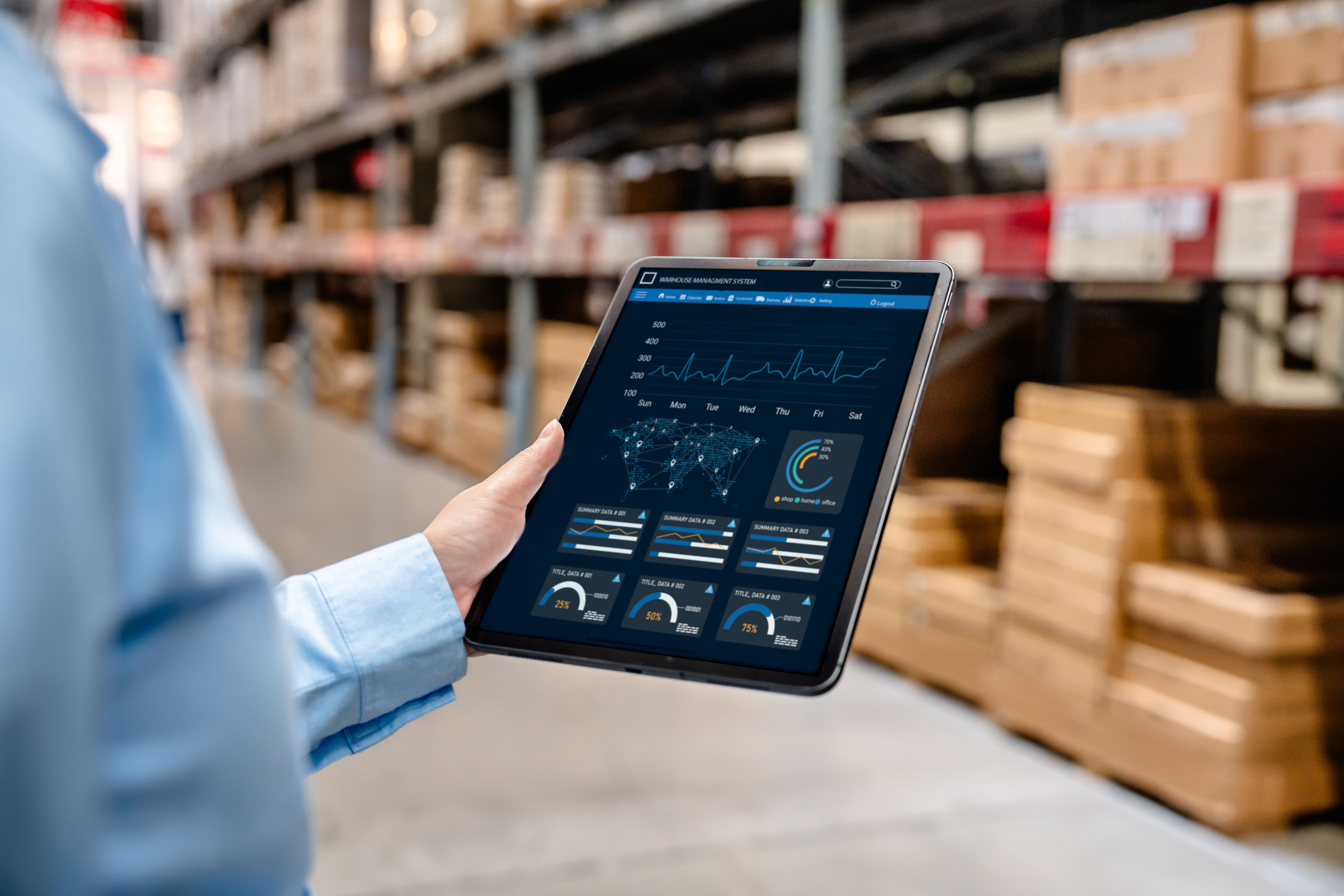
Technology plays a pivotal role in optimizing supply chains. Tools like warehouse management systems (WMS) and transportation management systems (TMS) offer comprehensive solutions for managing logistics operations. These technologies provide detailed analytics and reporting, enabling businesses to identify areas for improvement and optimize their supply chain processes.
Data-Driven Decisions
Utilizing data analytics in fulfillment logistics can lead to smarter decision-making. By analyzing trends and patterns, companies can forecast demand more accurately, optimize inventory levels, and improve overall efficiency. Data-driven insights allow for a proactive approach to managing supply chains, leading to better performance and customer satisfaction.

In conclusion, optimizing your supply chain with fulfillment logistics involves a strategic approach to managing inventory, processing orders, and utilizing technology. By focusing on these areas, businesses can enhance their supply chain efficiency, reduce costs, and deliver exceptional service to their customers. Embracing these strategies will undoubtedly provide a competitive edge in the market.