
FAQ: Understanding the Role of Fulfillment in Your Business Growth


What is Fulfillment in Business?
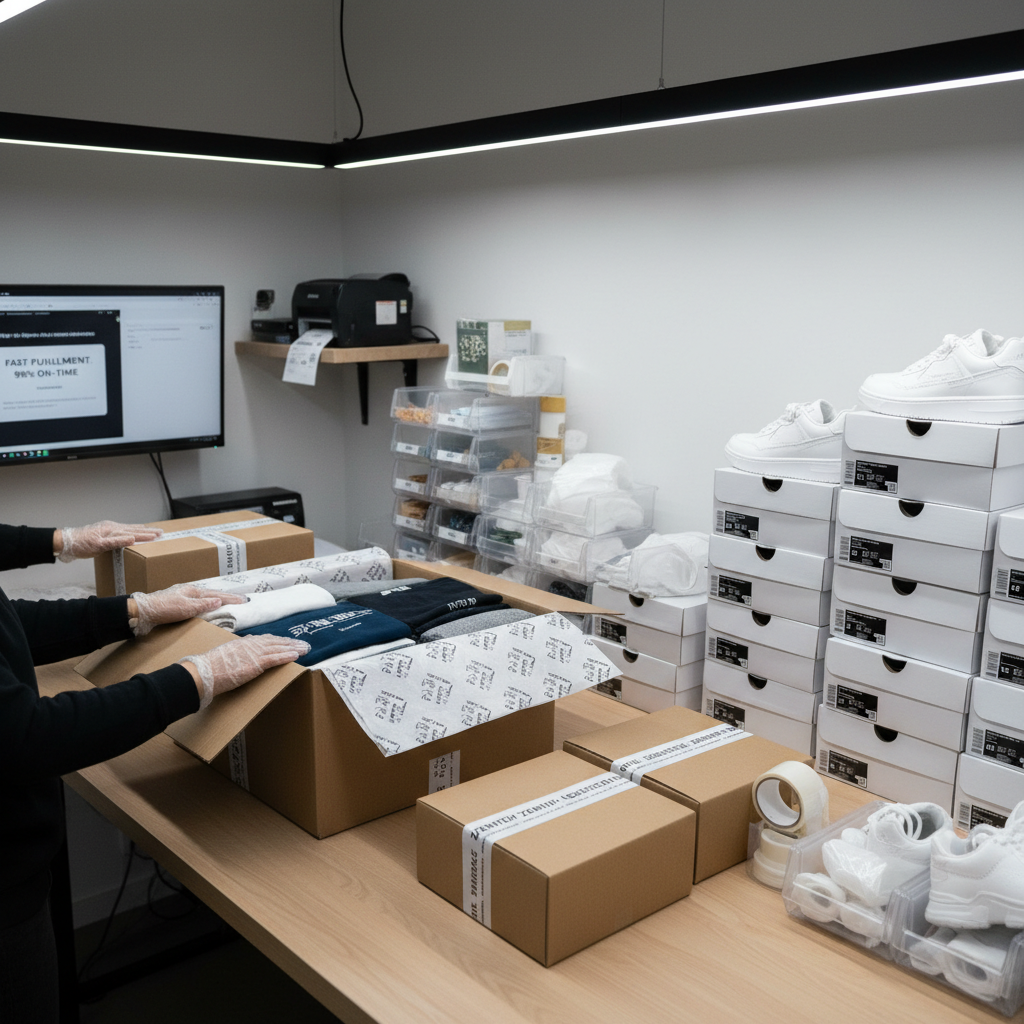
Fulfillment refers to the process of receiving, packaging, and delivering orders to customers. It's a crucial aspect of the supply chain that directly impacts customer satisfaction. Companies can either handle fulfillment in-house or outsource to third-party providers. Choosing the right fulfillment strategy is essential for efficient business operations.
Why is Fulfillment Important for Business Growth?
Effective fulfillment can significantly enhance customer satisfaction by ensuring orders are delivered accurately and on time. This leads to repeat business and positive word-of-mouth, both of which are essential for growth. Moreover, a streamlined fulfillment process can reduce operational costs, allowing businesses to allocate resources more strategically.
As businesses scale, managing fulfillment becomes increasingly complex. Investing in advanced fulfillment solutions can help maintain high service levels even as order volumes increase. This adaptability is vital for sustaining growth in a competitive market.
Types of Fulfillment Strategies
In-House Fulfillment
In-house fulfillment involves managing the entire process internally. This can provide more control over operations and direct communication with customers. However, it requires substantial investment in infrastructure and personnel.

Third-Party Fulfillment
Outsourcing fulfillment to third-party logistics (3PL) providers can be cost-effective, especially for smaller businesses without the resources to manage complex logistics. 3PLs offer expertise, scalability, and access to advanced technology, which can enhance efficiency.
Key Considerations for Choosing a Fulfillment Strategy
Cost
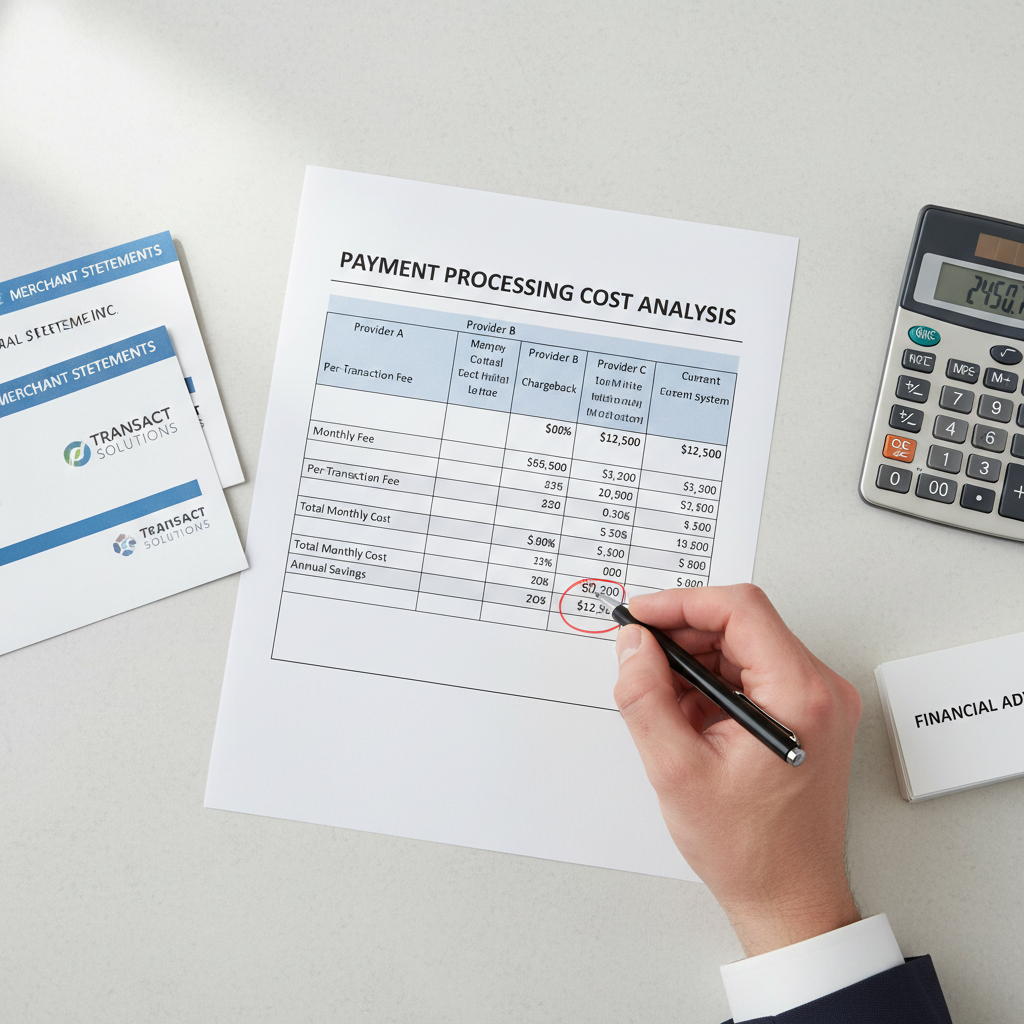
Evaluate the costs associated with each fulfillment option, including warehousing, labor, and technology. Outsourcing may have upfront costs but can lead to long-term savings through economies of scale.
Scalability
Consider how well a fulfillment strategy can scale with your business. Ensure the chosen method can handle increased order volumes without compromising service quality.
Technology Integration
Technology plays a vital role in modern fulfillment. Look for solutions that integrate seamlessly with your existing systems, providing real-time tracking and data analytics to optimize operations.
- Evaluate your current fulfillment capabilities.
- Analyze customer needs and expectations.
- Research potential 3PL partners if outsourcing.
- Consider the long-term goals and growth plans of your business.
Conclusion
Understanding and optimizing fulfillment is crucial for business growth. Whether you choose in-house or third-party fulfillment, the key is to ensure the strategy aligns with your business needs and growth objectives. By focusing on efficiency, scalability, and customer satisfaction, businesses can leverage fulfillment as a powerful growth driver.