
Expert Insights: Navigating Fulfillment Logistics Amid Regulatory Changes


Understanding the Impact of Regulatory Changes
Fulfillment logistics is a dynamic field, constantly adapting to new technologies, market demands, and most notably, regulatory changes. These regulations, while essential for maintaining industry standards and safety, can significantly impact the logistics process. As businesses strive to keep up, understanding the nuances of these changes becomes crucial.
Regulatory changes can encompass a wide range of areas such as environmental standards, trade policies, and safety protocols. Each of these areas requires businesses to adjust their logistics strategies and operations accordingly. Failure to comply can lead to delays, increased costs, or even legal repercussions.
Adapting to Environmental Standards
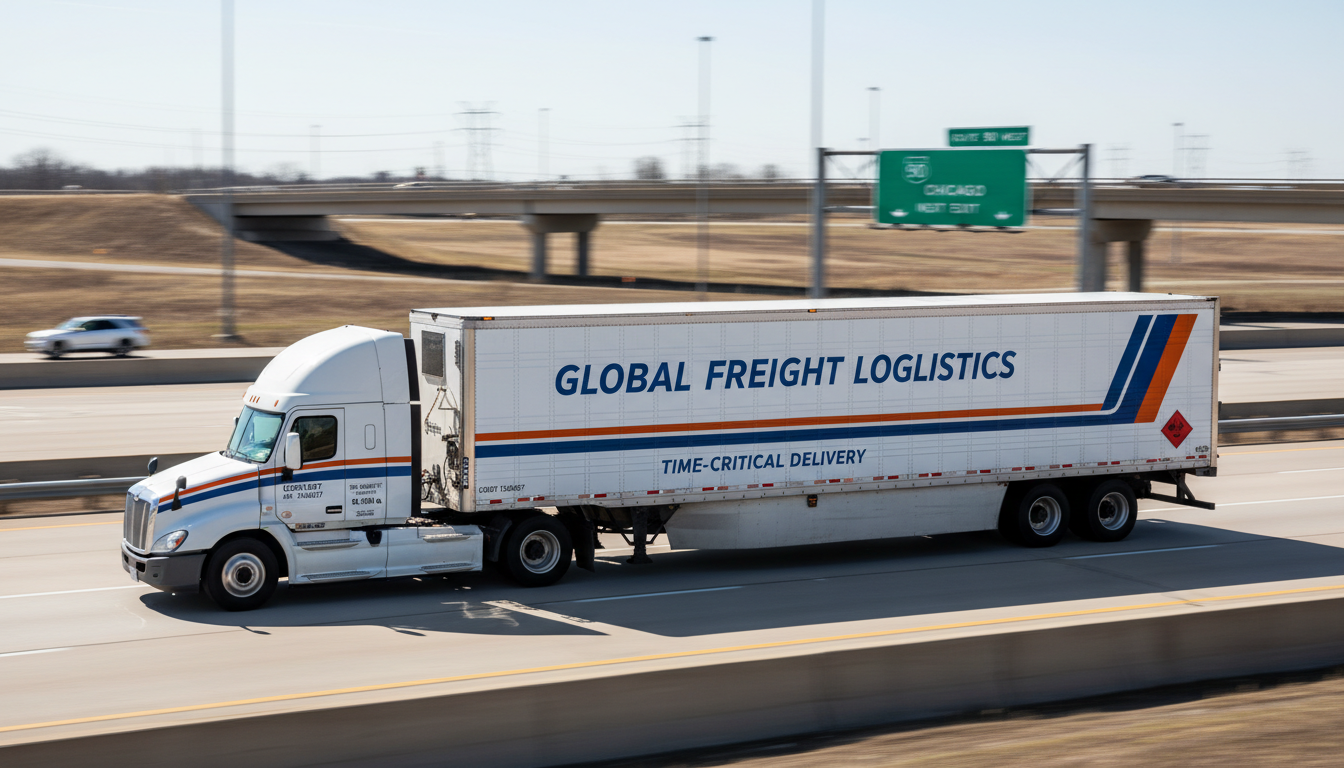
One of the most significant regulatory shifts in recent years involves environmental standards. Logistics companies are increasingly required to reduce their carbon footprints and adopt greener practices. This may involve investing in energy-efficient vehicles, optimizing delivery routes, or implementing sustainable packaging solutions.
Compliance with these standards not only helps the environment but also enhances brand reputation. Companies that demonstrate a commitment to sustainability often enjoy greater customer loyalty and competitive advantages.

Navigating Trade Policies
Trade policies can dramatically affect fulfillment logistics, especially for businesses operating on a global scale. Changes in tariffs, trade agreements, or border regulations can lead to unexpected challenges. Companies must stay informed about international regulations to ensure smooth cross-border operations.
To navigate these complexities, businesses should invest in robust software solutions that track regulatory changes in real time. This proactive approach helps companies adjust their supply chain strategies swiftly and efficiently.
Ensuring Safety Compliance
Safety regulations are another critical aspect that logistics companies must prioritize. These regulations aim to protect workers, consumers, and goods during the fulfillment process. Compliance may involve implementing rigorous training programs, maintaining updated safety equipment, and adhering to health protocols.
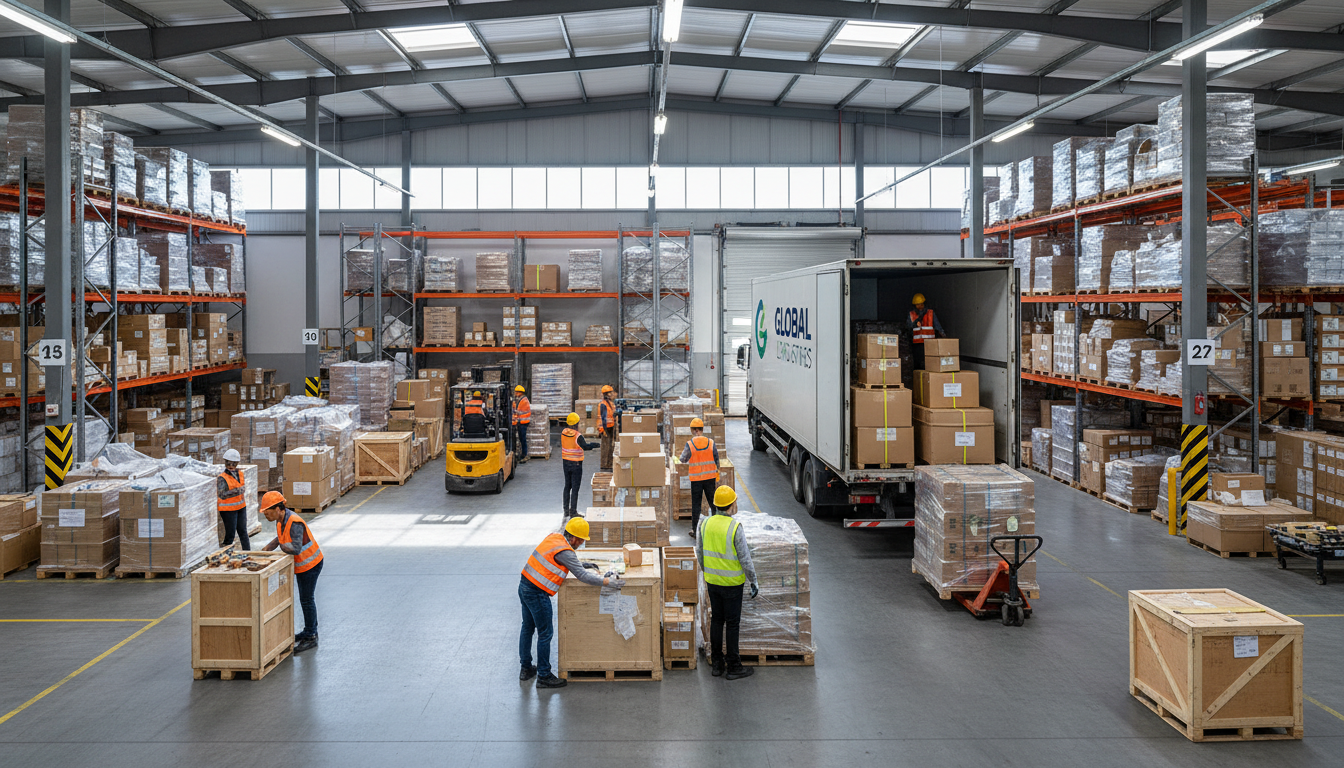
By prioritizing safety, logistics companies can minimize risks and avoid costly disruptions. Moreover, a strong safety record enhances trust and reliability, key factors in maintaining long-term partnerships.
Leveraging Technology for Compliance
Technology plays a pivotal role in helping companies navigate regulatory changes. Advanced logistics software can automate compliance checks, monitor performance metrics, and provide detailed analytics. These tools enable businesses to maintain compliance while optimizing their operations.
Furthermore, technology can facilitate better communication and collaboration across the supply chain, ensuring all stakeholders are aligned with the latest regulatory requirements.

Conclusion
In the ever-evolving landscape of fulfillment logistics, staying ahead of regulatory changes is essential. By understanding the implications of these changes and leveraging technology, businesses can ensure compliance and enhance their operational efficiency. As the industry continues to evolve, embracing adaptability and innovation will be key to success.