
Debunking Common Myths About Fulfillment Logistics


Understanding Fulfillment Logistics
Fulfillment logistics is a critical component in the supply chain process, yet it is often misunderstood. Many businesses rely on efficient logistics to ensure their products reach consumers swiftly and safely. However, several myths persist about how fulfillment logistics functions, potentially leading to misconceptions.

Myth 1: Fulfillment Logistics Is Only for Large Companies
One common myth is that fulfillment logistics is exclusively for large corporations. In reality, businesses of all sizes can benefit from streamlined logistics processes. Even small and medium-sized enterprises can leverage third-party logistics providers to enhance efficiency and reduce costs.
By outsourcing logistics, smaller businesses can focus on core activities such as product development and customer service. This approach allows them to compete more effectively with larger players in the industry.
Myth 2: Fulfillment Centers Are Just Big Warehouses
Another misconception is that fulfillment centers are merely large warehouses. While storage is a crucial part of the process, fulfillment centers offer much more. These facilities handle a range of activities, including inventory management, order processing, packaging, and shipping.
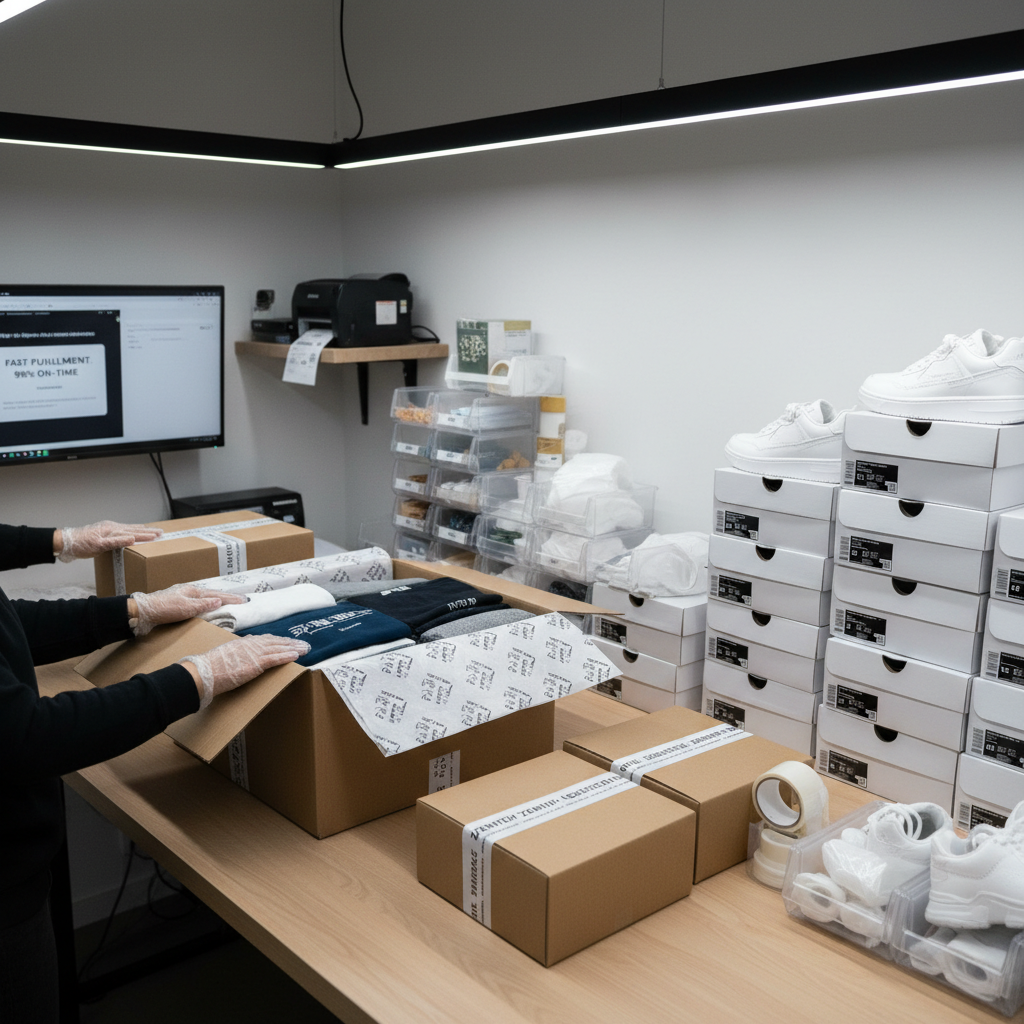
Fulfillment centers use advanced technology to streamline operations, ensuring accuracy and speed. This technology-driven approach allows businesses to meet customer expectations for fast and reliable delivery.
Myth 3: In-House Logistics Is Always Cheaper
Many believe that managing logistics in-house is more cost-effective than outsourcing. However, this is not always the case. In-house logistics requires significant investment in infrastructure, technology, and human resources.
Outsourcing logistics can lead to significant savings. Third-party providers often benefit from economies of scale, which they pass on to their clients. Additionally, businesses can avoid the complexities and risks associated with managing logistics internally.

Myth 4: Fulfillment Logistics Only Involves Shipping
Shipping is an essential part of fulfillment logistics, but it is not the only aspect. Logistics encompasses a range of activities from the moment an order is placed until the product reaches the customer's door.
- Inventory Management
- Order Processing
- Packaging and Labeling
- Returns Management
Each of these activities plays a vital role in ensuring customer satisfaction and operational efficiency.
Myth 5: Fast Shipping Is the Only Priority
While fast shipping is crucial, it should not be the sole focus. Effective fulfillment logistics also prioritize accuracy, reliability, and cost-efficiency. Businesses must balance speed with other factors to provide a comprehensive service that meets customer expectations.
By debunking these myths, businesses can better understand and optimize their fulfillment logistics strategies, leading to improved performance and customer satisfaction.